Rosacea Treatment
ROSACEA
Why Your Face Stays Red and Flushed
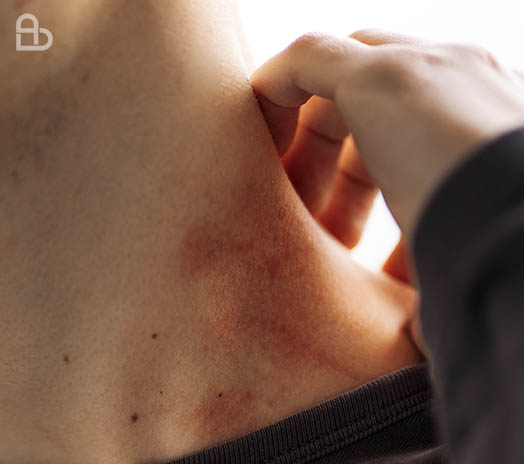
Who gets stuck with rosacea? While fair-skinned, blonde, blue-eyed individuals are more prone, anyone—including children—can develop it. It often runs in families, affects women more frequently, and tends to be more severe in men. Hormonal changes, especially during menopause, can worsen symptoms.
Why Does Rosacea Happen?
The exact cause isn’t fully understood, but experts believe it results from a mix of genetics, environmental triggers, and immune system overactivity. Easily dilated blood vessels lead to flushing, while factors like Demodex mites and Helicobacter pylori bacteria may contribute to inflammation.
Why Early Treatment Matters
Treating rosacea early doesn’t just control symptoms—it can slow or even reverse progression. Early care helps prevent permanently enlarged blood vessels, visible spider veins, and advanced complications like rhinophyma (bulbous nose).
Our Rosacea Treatment Options
Topical & Oral Medications: Prescription creams, gels, and oral antibiotics are used to calm inflammation and control bacteria, often in combination for stubborn cases.
Laser & Light Therapy: Targets visible blood vessels, reduces redness, and improves overall skin texture over time.
Laser Surgery: Advanced laser procedures can reshape excess tissue in cases of rhinophyma.
There’s no single solution for everyone. Treatment plans are customized based on your symptoms, triggers, and severity—because rosacea doesn’t look the same on every face.
Even if rosacea has been present for years, effective treatment can still bring it under control.
Related Conditions
Medical & Cosmetic Dermatology
Explore related skin, hair, and aesthetic conditions we diagnose and treat with personalized, physician-led care.