Vitiligo Treatment
VITILIGO
Why White Patches Appear on Your Skin

Why are there white patches on your skin that just won’t go away? If you’re noticing pale or depigmented spots that seem to spread, you may be living with vitiligo. It’s a long-term condition—but you’re not alone.
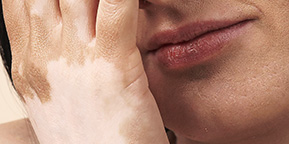
Vitiligo occurs when pigment-producing cells (melanocytes) stop functioning or are destroyed. This results in white patches that can appear anywhere on the body, most commonly on the face, neck, hands, and other sun-exposed areas. The condition isn’t painful or contagious, but affected skin burns easily—making daily sun protection essential.
Who Can Develop Vitiligo?
Vitiligo can present in different patterns—generalized (most common), segmental (one-sided), universal (rare and widespread), focal (very limited), or mucosal (lips and genital areas).
Our Vitiligo Treatment Options
Topical Treatments: Anti-inflammatory and immune-modulating creams are effective for small patches and sensitive areas, helping slow progression and sometimes restore pigment.
Phototherapy: Narrowband UVB or targeted laser therapy stimulates melanocyte activity and reduces inflammation—especially useful for widespread vitiligo.
Skin Grafting: For small, stable patches, pigmented skin may be transplanted to depigmented areas to restore color.
Micropigmentation: Medical tattooing implants pigment into white patches to camouflage areas and even out skin tone with long-lasting results.
The right treatment depends on how much skin is involved, where patches appear, your overall health, and personal goals. We guide you through realistic expectations and outcomes.
Vitiligo doesn’t have to define you. With modern dermatologic treatments, most people see significant cosmetic improvement. At Atmos Derm, we focus on restoring confidence—not just skin tone.
Related Conditions
Medical & Cosmetic Dermatology
Explore related skin, hair, and aesthetic conditions we diagnose and treat with personalized, physician-led care.